
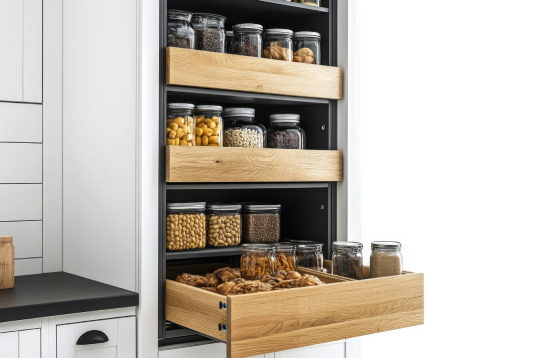
Not all cabinets create the same challenges. While pull-out shelves improve accessibility across the kitchen, some cabinet types benefit more than others. Understanding where pull-out shelves make the biggest difference helps homeowners prioritize upgrades and get the most value from their investment.
Two cabinet types stand out: base cabinets and pantry cabinets. Both commonly suffer from poor visibility and wasted space, but they do so in different ways. Knowing how each functions and how pull-out shelves change that function can guide smarter decisions.
Why Cabinet Type Matters
Cabinets are designed around storage volume, not necessarily usability. Deep cabinets maximize space on paper, but depth without access creates inefficiency.
Pull-out shelves address this by improving reach and visibility. However, the impact varies depending on cabinet height, depth, and how the cabinet is used.
Base cabinets and pantry cabinets serve different purposes, which means the problems they create and the solutions they need also differ.
Base Cabinets: The Most Common Pain Point
Base cabinets are found in nearly every kitchen. They sit below the countertop and are typically deeper than they are tall. This shape makes them ideal for storing large items, but also makes access difficult.
Common issues with base cabinets include:
- Items pushed to the back and forgotten
- Heavy pots and pans stacked on top of each other
- Bending or kneeling to reach lower shelves
- Limited visibility beyond the first row of items
Without pull-out shelves, homeowners often avoid using the full depth of the cabinet because retrieving items becomes inconvenient.
How Pull-Out Shelves Transform Base Cabinets
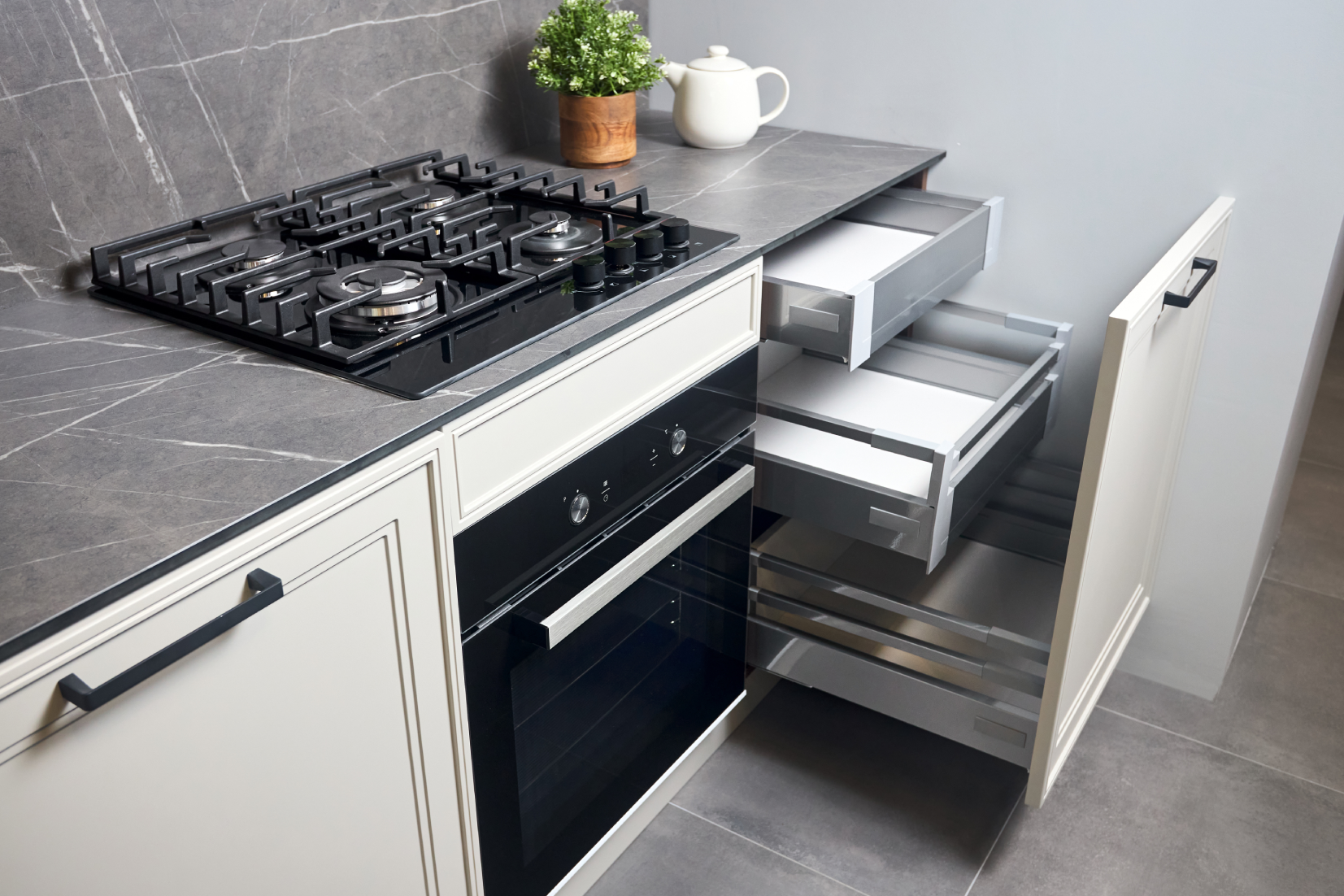
Pull-out shelves turn base cabinets into functional drawers. Everything stored inside slides forward, allowing you to see and reach items without strain.
Key improvements include:
- Full visibility of cabinet contents
- Easier access to heavy cookware
- Reduced bending and kneeling
- Better weight distribution
For many homeowners, base cabinets show the most immediate improvement after installation because they are used daily and often store the heaviest items.
Ideal Uses for Pull-Out Shelves in Base Cabinets
Base cabinets benefit from pull-out shelves in a variety of locations:
- Under cooktops or prep areas for pots and pans
- Near dishwashers for cookware and storage containers
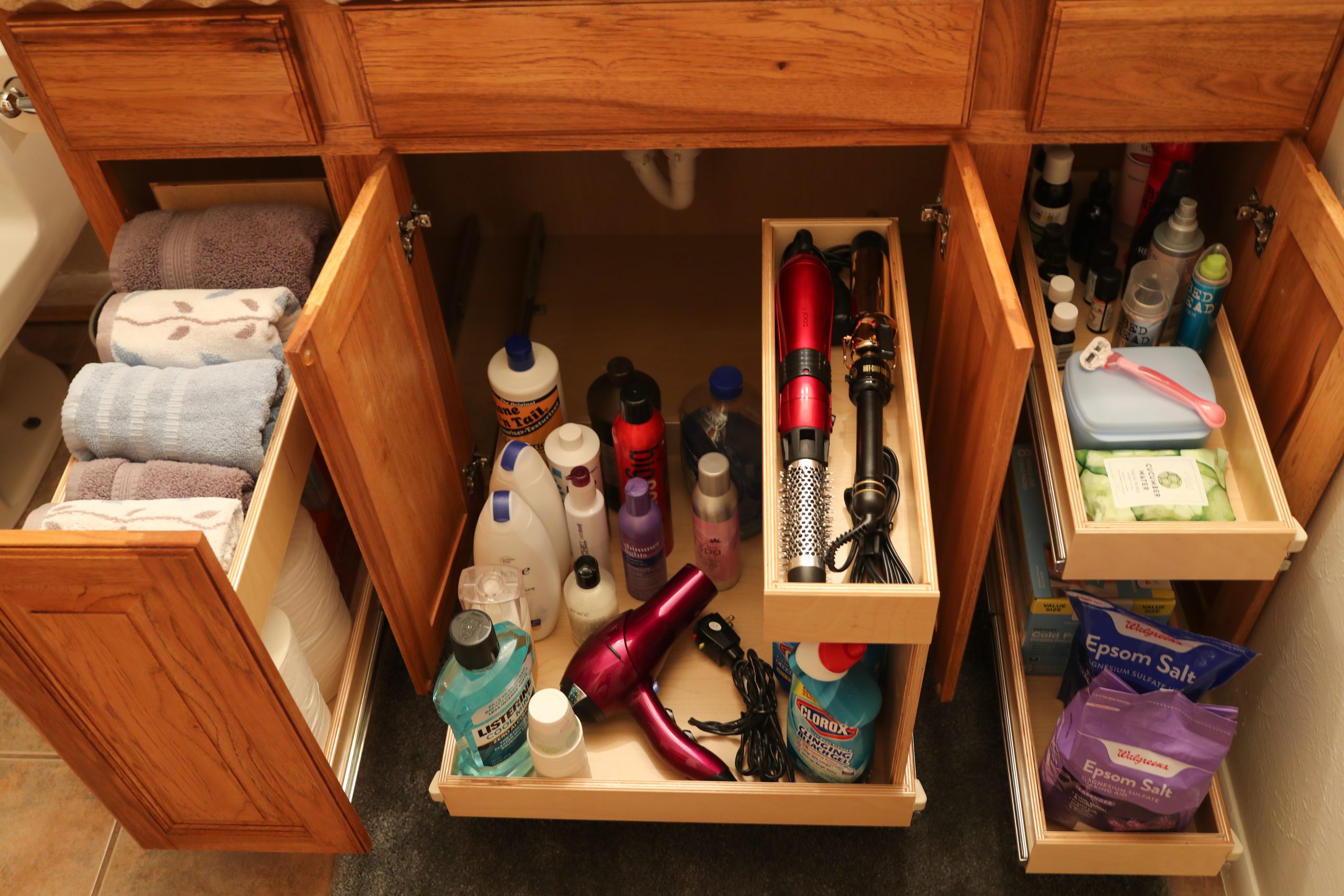
- Under sinks with modified designs to accommodate plumbing
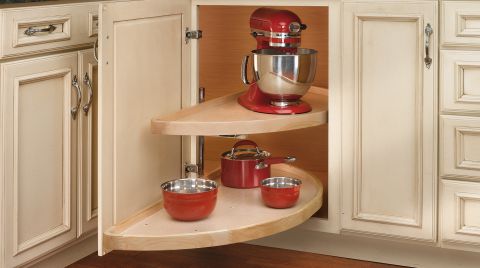
- In corner cabinets with specialized configurations
Even a few upgraded base cabinets can dramatically improve kitchen workflow.
Pantry Cabinets: High Storage, Low Visibility
Pantry cabinets are tall and offer generous storage capacity. However, that capacity often comes at the cost of usability.
Common pantry challenges include:
- Items stacked vertically and hidden behind others
- Upper shelves that are difficult to reach
- Lower shelves that require bending or unloading
- Overbuying items because contents are not visible
Fixed pantry shelves encourage stacking and crowding, which makes organization difficult to maintain.
How Pull-Out Shelves Improve Pantry Function
Pull-out shelves convert pantry storage into a series of accessible layers. Instead of reaching into a tall cabinet, you pull items out to you.
Benefits include:
- Clear visibility of food and supplies
- Easier inventory management
- Reduced food waste from forgotten items
- Improved access for all household members
Pull-out shelves also allow homeowners to group items logically, making it easier to maintain organization over time.
Pantry Cabinets Offer the Biggest Organizational Gains
While base cabinets offer immediate physical relief, pantry cabinets often show the biggest improvement in organization.
With pull-out shelves:
- Dry goods stay visible and grouped
- Smaller items no longer get lost behind larger ones
- Shelf height can be optimized for specific categories
For households that rely heavily on pantry storage, this upgrade can change how groceries are stored and used.
Which Cabinet Should You Upgrade First?
If budget or timing requires prioritization, the choice depends on your primary pain points.
Choose base cabinets first if:
- You struggle with heavy cookware
- You experience back or knee discomfort
- You cook frequently and need quick access
Choose pantry cabinets first if:
- You deal with cluttered or overstuffed storage
- You frequently forget what you have
- You want better long-term organization
Many homeowners start with a few high-impact cabinets and expand the upgrade later.
Installation Considerations for Each Type
Base cabinets and pantry cabinets have different installation requirements.
Base cabinets
Installers focus on weight capacity, slide strength, and clearance for plumbing or appliances.
Pantry cabinets
Installers evaluate shelf spacing, height access, and load distribution to ensure smooth operation throughout the cabinet.
Professional measurement and planning are essential for both, especially in older or custom-built kitchens.
Both base cabinets and pantry cabinets benefit from pull-out shelves, but they solve different problems. Base cabinets deliver immediate physical relief and daily convenience. Pantry cabinets offer long-term organization and visibility.
The biggest difference comes from matching the upgrade to how your kitchen is actually used. By starting with the cabinets that cause the most frustration, pull-out shelves can transform your kitchen without changing its layout or appearance.